
Implants & Restorations
What to Expect During Root Canal Treatment
Root canal treatment has an unfairly scary reputation. Knowing what actually happens can make it much easier to approach.
Dental Planet · · 3 min read
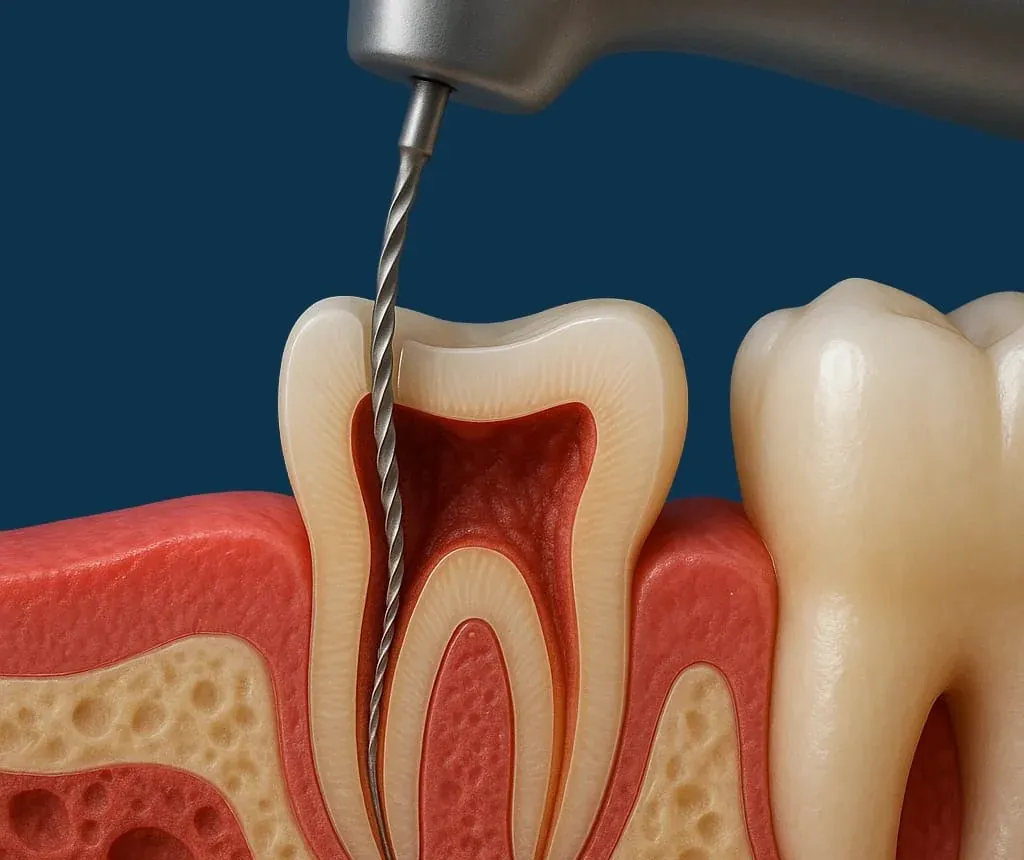
Few dental procedures cause as much worry as root canal treatment. Much of that anxiety comes from old stories rather than how treatment is typically carried out today. Understanding what happens — and why — can help you feel more prepared.
Why root canal treatment is needed
Inside each tooth is the pulp, a soft tissue containing nerves and blood vessels. When the pulp becomes inflamed or infected — often because of deep decay, a crack, repeated dental work or an injury — it cannot heal on its own. Without treatment, infection can spread to the surrounding bone and cause an abscess.
Root canal treatment removes the affected pulp, disinfects the inside of the tooth and seals it, with the aim of keeping your natural tooth. See our root canal treatment page for an overview.
Common signs
Some people have obvious symptoms; others have none at all and the problem is found on an X-ray. Signs can include:
- Lingering sensitivity to hot or cold
- Pain when biting or a deep ache
- Swelling of the gum or face
- A small pimple-like bump on the gum
- Darkening of a tooth after injury
These symptoms can have other causes too, which is why a proper examination is important. Our guide to common causes of toothache explains more.
Before treatment: diagnosis
Your dentist will examine the tooth, may carry out simple tests and will take X-rays to see the roots and surrounding bone. They will explain whether the tooth can be saved and discuss alternatives, including extraction.
During treatment
Numbing the tooth
Local anaesthetic is used to numb the tooth and surrounding area. Most patients feel pressure and vibration rather than sharp pain, though experiences vary. Let your dentist know if you feel discomfort at any point.
Keeping the area clean
A thin sheet called a rubber dam is often placed around the tooth. This keeps it dry and stops debris from entering the mouth.
Cleaning and shaping
A small opening is made in the top of the tooth. Fine instruments are used to remove the pulp and to clean and shape each canal, while disinfecting solutions rinse the inside of the tooth.
Sealing
The canals are filled with a rubber-like material and sealed. A temporary or permanent filling closes the opening.
Depending on the complexity of the tooth and the level of infection, this may happen in one visit or across several.
After treatment
It is common for the tooth to feel tender for a few days, particularly when biting. Your dentist may suggest suitable pain relief. Try to avoid chewing hard food on the tooth until it has been fully restored.
Contact the clinic if you notice increasing swelling, severe pain or a reaction to medication.
Protecting the tooth long term
Teeth that have had root canal treatment — especially back teeth — can become brittle. A crown is often recommended to protect them from fracturing. Good brushing, cleaning between teeth and regular check-ups remain essential.
Is it successful?
Many root-canal-treated teeth function well for years, but outcomes vary. Sometimes infection returns and retreatment, surgery or extraction is needed. Your dentist will discuss the likely prognosis for your particular tooth.
In summary
Root canal treatment is a way of saving a tooth that might otherwise be lost. With a clear explanation beforehand and good aftercare, it is often far more manageable than people expect. To discuss a painful tooth, contact Dental Planet.
This information is general and educational. It does not replace an examination or individual advice from a qualified dental professional. Treatment suitability, risks, recovery and results vary from person to person.
Related treatments