
General Care
Common Causes of Toothache and When to See a Dentist
Toothache has many causes, from sensitivity to infection. How to tell what may be happening and when not to wait.
Dental Planet · · 3 min read
Toothache can range from a brief twinge when drinking something cold to a constant, throbbing pain that keeps you awake. Because many different problems can cause similar symptoms, it is not always possible to know the cause without an examination. This guide explains common causes and when you should seek dental care.
Common causes of toothache
Tooth decay
Decay creates holes (cavities) in the enamel and the layer beneath it, called dentine. As decay approaches the nerve, teeth may become sensitive to sweet, hot or cold foods. If left untreated, decay can reach the pulp and cause severe pain or infection.
Sensitive teeth
Worn enamel or receding gums can expose dentine, leading to sharp, short pain with cold drinks, sweet foods or brushing. Sensitivity is common, but it should still be checked to rule out other causes.
Cracked or broken teeth
A crack may cause pain when biting or releasing a bite, or sensitivity to temperature. Cracks are not always visible and can be difficult to locate.
Inflamed or infected pulp
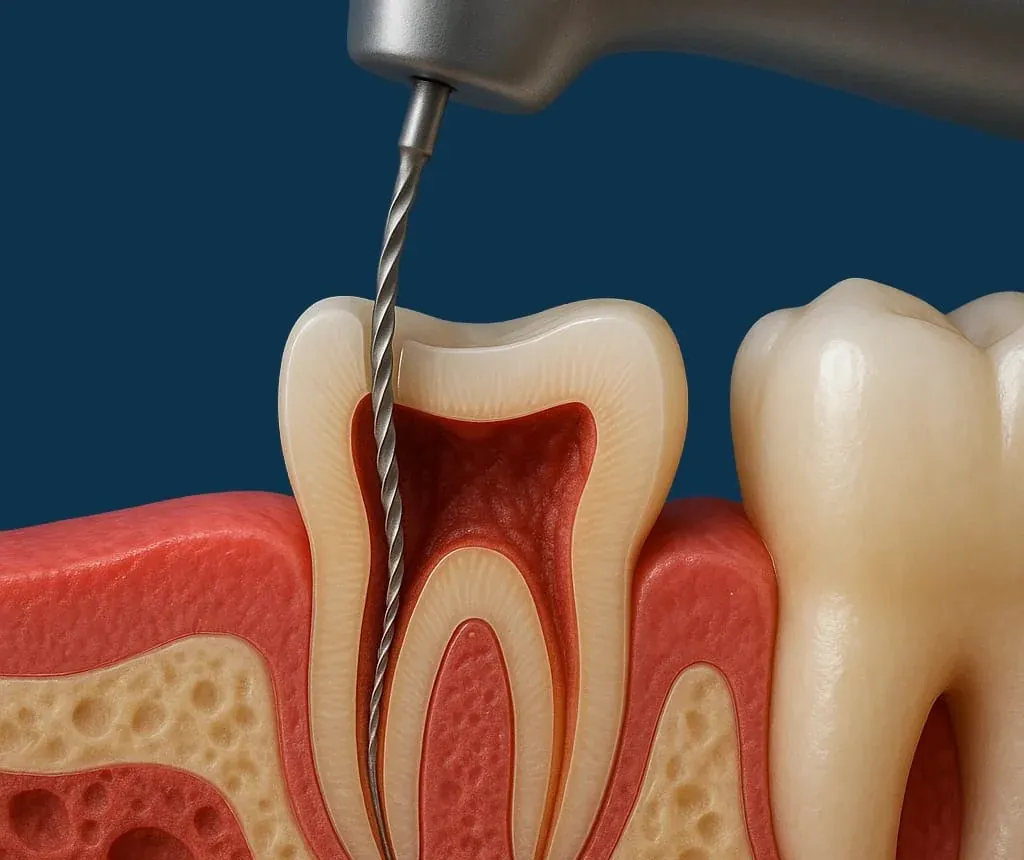
When the pulp inside a tooth becomes inflamed, pain can linger after hot or cold stimuli, throb, or occur spontaneously. Infection may lead to an abscess, with swelling and pain on biting. Root canal treatment is one way this may be treated.
Gum problems
Gum disease, food trapped between teeth or an infection in the gum can cause aching and tenderness.
Wisdom teeth
Partially erupted wisdom teeth can trap food and bacteria, leading to inflammation of the surrounding gum.
Grinding and clenching
Grinding, often at night, can cause aching teeth, jaw pain and headaches.
Sinus problems
Sinus congestion can sometimes cause aching in the upper back teeth.
When to see a dentist promptly
Contact a dentist as soon as possible if you have:
- Pain lasting more than a day or two
- Swelling in the gum, face or jaw
- Fever alongside tooth pain
- Pain when biting
- A broken or knocked-out tooth
- A bad taste or discharge from the gum
Seek urgent medical help if swelling makes it difficult to breathe or swallow, or spreads towards the eye or neck.
What you can do in the meantime
These steps may help you stay comfortable until you can be seen, but they do not treat the cause:
- Rinse gently with warm salt water
- Floss gently to remove trapped food
- Use over-the-counter pain relief only as directed on the packaging and if it is safe for you
- Avoid very hot, cold or sweet foods
- Do not place aspirin or other tablets directly on the gum, as this can burn the tissue
How your dentist finds the cause
Your dentist will ask about your symptoms, examine the area and may carry out simple tests. Dental X-rays are often needed to see inside teeth and bone. Once the cause is clear, treatment options will be explained.
Preventing toothache
Many causes of toothache can be reduced through daily care — see how to maintain healthy teeth and gums — and regular check-ups that catch problems early.
If you are experiencing tooth pain, please call Dental Planet to arrange an assessment. This article is general information and does not replace professional diagnosis.
This information is general and educational. It does not replace an examination or individual advice from a qualified dental professional. Treatment suitability, risks, recovery and results vary from person to person.
Related treatments