
Implants & Restorations
Dental Implants: Procedure, Benefits and Important Considerations
Implants can be an excellent way to replace missing teeth — for the right patient. Here is how the process works and what to weigh up.
Dental Planet · · 3 min read
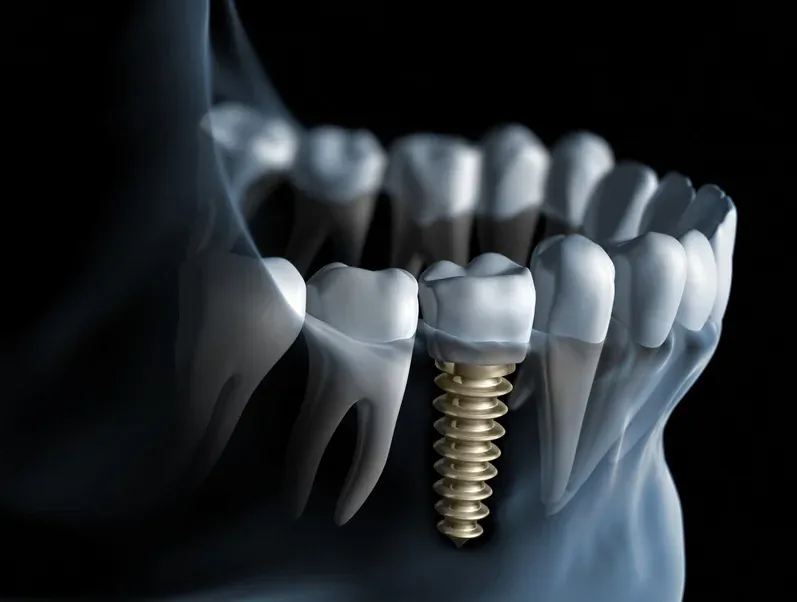
Losing a tooth affects more than appearance. It can change how you chew, how neighbouring teeth sit, and how confident you feel when you smile. Dental implants are one of several ways to replace missing teeth. This article explains how they work, what the treatment usually involves, and the considerations every patient should understand before deciding.
What is a dental implant?
A dental implant is a small post, typically made of titanium or a similar biocompatible material, that is placed into the jawbone where a tooth root used to be. Once the bone has bonded with the implant, it can support a crown, a bridge or a denture. You can read more on our dental implants service page.
The treatment journey
Every case is different, but implant treatment generally follows these stages.
1. Assessment and planning
Your dentist will review your medical history, examine your mouth and take X-rays. In many cases, digital scans help plan the implant's position in relation to the bone and nearby structures. This is also when alternatives such as bridges or dentures should be discussed.
2. Preparing the site
If a damaged tooth is still present, it may need to be removed first. Where bone volume is insufficient, bone grafting may be suggested before or during implant placement.
3. Placing the implant
The implant is placed under local anaesthesia. Afterwards, some swelling, bruising or tenderness is common for a few days.
4. Healing
The bone gradually integrates with the implant surface over a period of weeks to months. A temporary tooth may be provided in some cases.
5. Fitting the final tooth
Once healing is confirmed, an abutment and a custom-made crown, bridge or denture are attached. Your bite is checked and adjusted for comfort.
Potential benefits
When implants are suitable and well maintained, patients may appreciate:
- A fixed replacement that feels stable when eating
- No need to prepare healthy neighbouring teeth, as a bridge might require
- Support for the bone in the area of the missing tooth
- A natural-looking result when the crown is well matched
Important considerations
Implants are not right for everyone, and it is important to understand the limitations.
- Surgery and healing time: implants involve a surgical procedure and several months of treatment.
- General health: uncontrolled diabetes, some medications and certain medical conditions can affect healing.
- Smoking: smoking is associated with poorer healing and a higher risk of complications.
- Gum health: active gum disease should be treated before implants are placed.
- Maintenance: implants can develop inflammation of the surrounding tissues (peri-implantitis) if not cleaned well.
No dentist can guarantee that an implant will succeed. A responsible clinic will explain the risks openly and help you decide whether the benefits outweigh them in your situation.
Implants compared with other options
A conventional crown and bridge can replace a missing tooth without surgery but relies on adjacent teeth for support. Removable dentures are less invasive and often less costly but may move during eating. For people missing many teeth, implant-retained dentures can combine some of the benefits of both. The best option depends on your mouth, health, budget and preferences.
Looking after implants
Good long-term care is essential. Our article on dental implant aftercare and long-term maintenance covers daily cleaning and review appointments in more detail.
Next steps
If you are considering implants, the first step is a thorough consultation. You can book an appointment at our Pal-Adajan or Lal Darwaja branch to discuss your options.
This information is general and educational. It does not replace an examination or individual advice from a qualified dental professional. Treatment suitability, risks, recovery and results vary from person to person.
Related treatments