
Implants & Restorations
Dental Crowns and Bridges: Uses and Differences
Crowns protect teeth; bridges replace them. A clear explanation of how each works and when they are used.
Dental Planet · · 3 min read
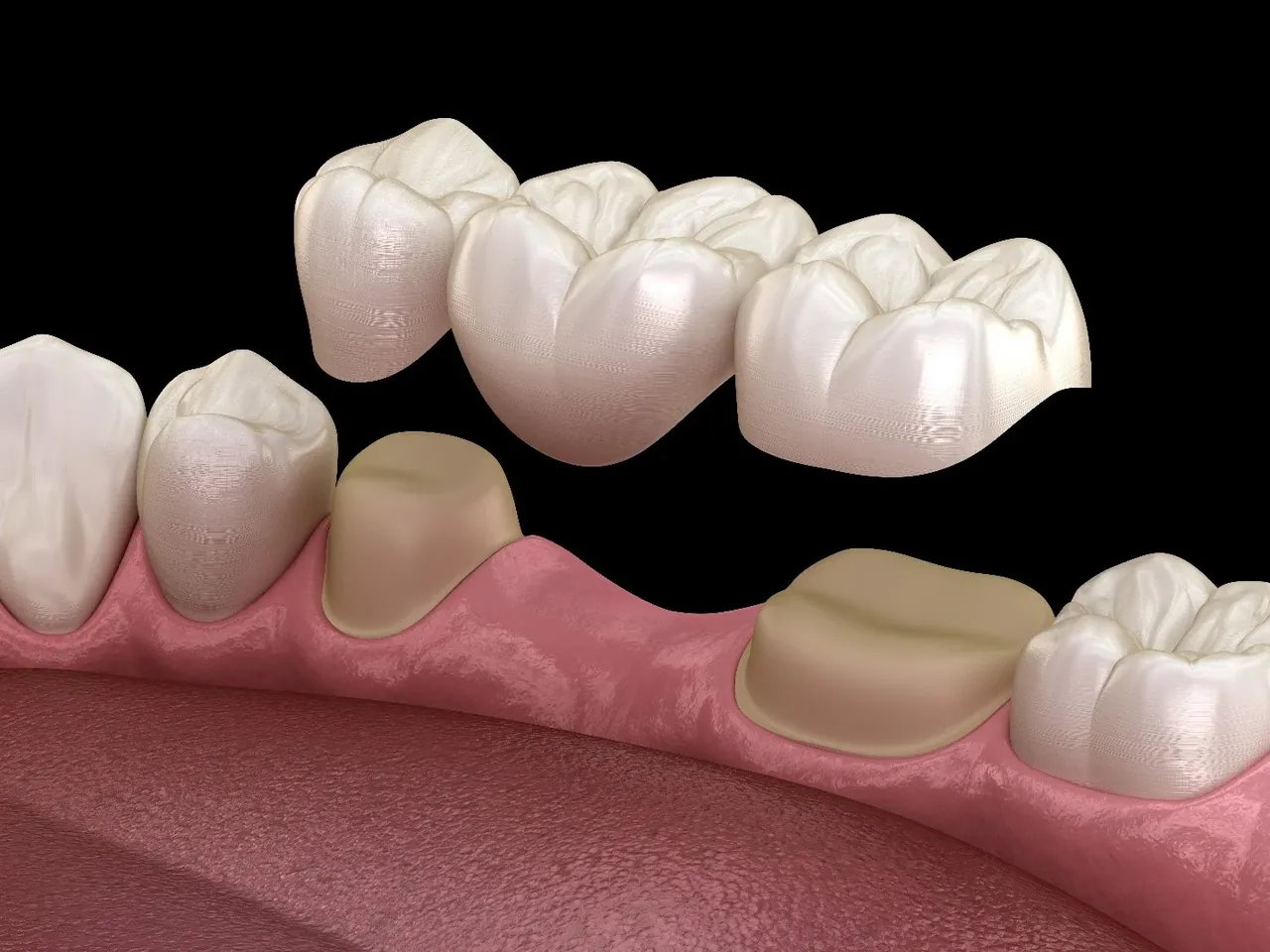
Crowns and bridges are two of the most common restorations in dentistry. They are closely related — a bridge is built using crowns — but they solve different problems. Understanding the difference can help you have a more informed conversation with your dentist.
What is a dental crown?
A crown is a custom-made cap that covers the visible part of a tooth. It restores the tooth's shape, size and strength, and can improve its appearance. Think of it as a protective helmet for a tooth that is damaged or weakened.
When crowns are commonly recommended
- After root canal treatment, especially on back teeth
- For teeth with large fillings that leave little natural structure
- For cracked or fractured teeth
- For severely worn teeth
- On top of a dental implant
- To improve the shape or colour of a tooth in some cases
What is a dental bridge?
A bridge replaces one or more missing teeth. In a conventional bridge, the teeth on either side of the gap are prepared and fitted with crowns, and a false tooth (called a pontic) is attached between them. The whole unit is cemented in place.
Types of bridges
- Conventional bridges — supported by crowns on teeth either side of the gap
- Cantilever bridges — supported on one side only, used in specific situations
- Adhesive (resin-bonded) bridges — bonded to the back of adjacent teeth with minimal preparation
- Implant-supported bridges — anchored on implants rather than natural teeth
The key differences
A crown covers an existing tooth; a bridge replaces a missing tooth. A crown affects one tooth, while a conventional bridge involves the neighbouring teeth as supports.
How they are made and fitted
The process for crowns and bridges is similar.
Assessment
Your dentist examines the teeth and takes X-rays to check roots and bone.
Preparation
Under local anaesthesia, the tooth or supporting teeth are shaped to create room for the restoration.
Recording the shape
An impression or digital scan records the prepared teeth and bite. Our article on digital dental scanning explains how this works.
Temporary restoration
A temporary crown or bridge protects the teeth while the final one is made.
Fitting
The final restoration is checked for fit, bite and appearance before being cemented.
Materials
Crowns and bridges can be made from different materials, including tooth-coloured ceramics and metal-based options. Each has trade-offs in appearance, strength and the amount of tooth preparation needed. Your dentist will recommend materials based on the tooth's position and your bite.
Limitations to be aware of
- Preparing teeth removes natural tooth structure permanently
- Supporting teeth under a bridge carry extra load
- Restorations can chip, loosen or wear over time
- Decay can develop at the margins if cleaning is poor
Caring for crowns and bridges
- Brush twice daily, paying attention to where the restoration meets the gum
- Clean under bridges with floss threaders or interdental brushes
- Avoid chewing ice, hard sweets or nut shells
- Ask about a night guard if you grind your teeth
- Attend regular check-ups
Bridges or implants?
If you are missing a tooth, both bridges and implants may be options. Our article on dental implants outlines how they compare.
To discuss which restoration might suit you, see our crown and bridge service page or book a consultation.
This information is general and educational. It does not replace an examination or individual advice from a qualified dental professional. Treatment suitability, risks, recovery and results vary from person to person.
Related treatments