
Children
When Should Your Child First Visit a Dentist?
Earlier than many parents expect. Here is when to book, what happens and how to make it a calm experience.
Dental Planet · · 3 min read
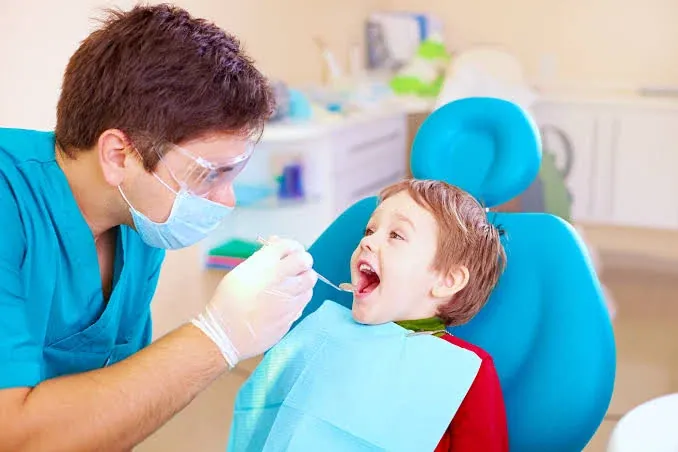
Many parents wonder when their child should first see a dentist. Some wait until there is a problem, or until all the baby teeth have arrived. Many dental organisations, however, recommend a first visit much earlier — around the time the first tooth appears, or by the child's first birthday.
Why so early?
Early visits are less about treatment and more about prevention and guidance. They allow the dentist to:
- Check that teeth and gums are developing normally
- Spot early signs of decay before they become painful
- Advise on brushing, toothpaste and feeding habits
- Answer your questions about teething, thumb-sucking and diet
- Help your child become familiar with the dental environment
A child whose first dental visit is a calm, simple check-up is often more relaxed about later appointments than one whose first experience involves pain or treatment.
What happens at the first visit
Every clinic and child is different, but a typical first visit is short and relaxed.
Getting comfortable
Young children may sit on a parent's lap. The dentist will chat with you and your child, letting them get used to the surroundings.
A gentle look
The dentist checks the teeth, gums and jaws, sometimes using a small mirror. For very young children, this may simply be a quick look while they sit with you.
Advice for you
You will usually receive practical advice on cleaning your child's teeth, how much fluoride toothpaste to use, and how food and drinks affect teeth. This is a good time to ask anything you are unsure about.
X-rays are not routine at a first visit; they are taken only when clinically needed. Learn more in understanding dental X-rays.
How to prepare your child
- Choose a time when your child is usually well-rested and fed
- Talk about the visit positively and simply — "the dentist will count your teeth"
- Avoid words that may cause worry, such as "pain", "hurt" or "injection"
- Read a picture book or play pretend dentist at home
- Stay calm yourself; children notice adult anxiety
If your child is nervous
It is completely normal for young children to be unsure. Let the team know in advance. A few short, positive visits often help more than trying to do everything at once. Never use the dentist as a threat ("if you don't brush, the dentist will…"), as this can create lasting fear.
Signs your child should be seen sooner
Book an appointment promptly if you notice:
- White, brown or black spots on the teeth
- Swelling of the gums or face
- Your child complaining of pain or refusing to chew on one side
- An injury to the mouth or teeth
How often after the first visit?
Your dentist will recommend a schedule based on your child's needs and risk of decay. Many children are seen every six months, but this varies.
Building lifelong habits
The first visit is the start of a long-term partnership. Combined with good habits at home — described in our parent's guide to children's dental health — regular visits help give your child the best chance of healthy teeth.
Find out more about our pediatric dentistry or book your child's first visit at either Dental Planet branch.
This information is general and educational. It does not replace an examination or individual advice from a qualified dental professional. Treatment suitability, risks, recovery and results vary from person to person.
Related treatments