
Children
Children’s Dental Health: A Parent’s Guide
Healthy habits start early. A practical, age-by-age guide to helping your child keep their teeth healthy.
Dental Planet · · 3 min read
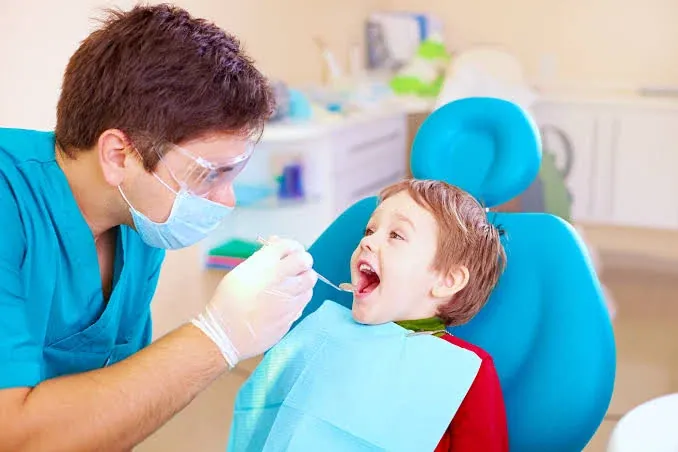
As a parent, you play the biggest role in your child's dental health. The habits children learn at home — brushing, eating and drinking patterns, and how they feel about the dentist — often stay with them for life. This guide offers practical, everyday advice.
Why baby teeth matter
It is easy to think baby teeth are unimportant because they eventually fall out. In reality, they help children chew and speak, and they hold space for the adult teeth developing underneath. Decay in baby teeth can cause pain, infection and disrupted sleep, and may affect the alignment of permanent teeth.
Brushing by age
Babies and toddlers
Start cleaning as soon as the first tooth appears. Use a soft, small-headed toothbrush and a smear of fluoride toothpaste, as recommended by your dentist. Brush twice a day, including before bed.
Young children
From around three years, a pea-sized amount of fluoride toothpaste is commonly recommended. Encourage children to spit out rather than rinse, so the fluoride stays on the teeth. Supervise brushing until your child has the dexterity to do it well — often until around seven or eight years of age.
Older children
As permanent teeth arrive, introduce cleaning between teeth. Keep checking occasionally that brushing reaches the back teeth, where decay is common.
Food and drink
Tooth decay is driven not just by how much sugar children eat but by how often. Frequent sugary snacks and drinks give the bacteria in plaque repeated opportunities to produce acid.
- Keep sweets and sugary drinks to mealtimes where possible
- Offer water and plain milk between meals
- Avoid putting babies to bed with a bottle of milk or juice
- Choose tooth-friendly snacks such as fruit, vegetables and plain yoghurt
Common problems to watch for
- White, chalky spots near the gumline, which can be early signs of decay
- Brown or black areas or visible holes
- Swelling of the gums or face
- Complaints of pain when eating
- Crowding or unusual gaps as adult teeth arrive
If you notice any of these, arrange a check-up. Early problems are often simpler to manage.
Habits like thumb-sucking
Thumb-sucking and dummy use are normal comfort habits in young children. If they continue as permanent teeth start to come through, they can affect how teeth and jaws develop. Your dentist can offer gentle, practical advice.
Protecting teeth during sport
If your child plays contact sports, ask your dentist about a mouthguard to help protect their teeth from injury.
Making dental visits positive
Children often take their cues from adults. Talk about the dentist in a calm, positive way and avoid words like "hurt" or "needle". Reading a story about visiting the dentist can help. Our article on when your child should first visit a dentist explains how early visits usually go.
When orthodontics may come up
Some children benefit from orthodontic assessment as their adult teeth develop. If you are curious about options later on, our guide to braces and clear aligners offers an overview.
Working together
Your child's dentist is a partner in their health. Regular check-ups give the opportunity to spot problems early and to answer your questions. Learn more about our pediatric dentistry care, or book an appointment for your child.
This article provides general information and does not replace individual advice from a dental professional.
This information is general and educational. It does not replace an examination or individual advice from a qualified dental professional. Treatment suitability, risks, recovery and results vary from person to person.
Related treatments