
Orthodontics
Clear Aligner Care: Practical Tips for Patients
Aligners only work when worn — and kept clean. Daily habits that help treatment stay on track.
Dental Planet · · 3 min read
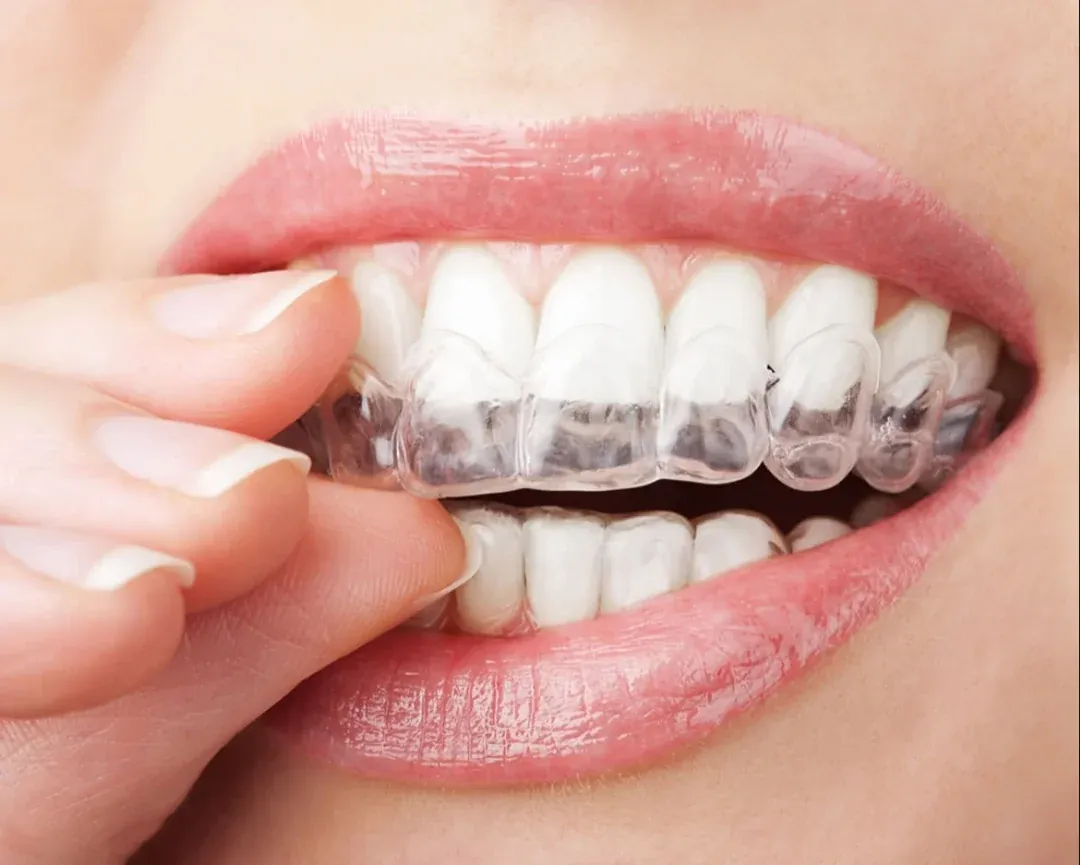
Clear aligners give you the flexibility of a removable appliance, but that flexibility comes with responsibility. How you wear, clean and store your aligners has a direct effect on how treatment progresses. These practical tips will help.
Wear time is everything
Aligners move teeth only when they are in your mouth. Most treatment plans require aligners to be worn for around 20–22 hours a day — your dentist will tell you exactly what applies to you.
- Put aligners back in straight after eating and brushing
- Avoid leaving them out "just for a while" — minutes add up
- Use a phone reminder if you tend to forget
- Change to the next set only as instructed
If aligners stop fitting snugly, contact the clinic rather than forcing them.
Eating and drinking
Remove your aligners for all food and for any drink other than plain water. Drinking sugary or acidic drinks with aligners in traps the liquid against your teeth, increasing the risk of decay. Hot drinks can also warp the plastic.
After eating, brush your teeth (or at least rinse thoroughly) before putting aligners back in.
Cleaning your aligners
- Rinse aligners in cool or lukewarm water each time you remove them
- Gently brush them with a soft toothbrush, separate from the one you use for your teeth
- Avoid hot water, which can distort them
- Avoid coloured or abrasive toothpastes that may scratch or stain
- Use cleaning products only if recommended by your dentist
Clean aligners stay clearer and help keep your breath fresh.
Keep your teeth clean too
Brush twice daily and clean between your teeth. Plaque trapped under aligners has more time to affect your enamel, so good hygiene is especially important. See how to maintain healthy teeth and gums.
Storing aligners safely
Most lost aligners are wrapped in a napkin during a meal and accidentally thrown away. Always use the case.
- Keep the case with you at all times
- Never leave aligners where pets can reach them
- Keep them away from heat, such as a car dashboard
If you lose or break an aligner
Contact the clinic for advice. Depending on your stage of treatment, you may be asked to wear the previous or next set until a replacement is arranged. Keep previous aligners if instructed, as they can be useful in these situations.
Discomfort
Each new set may feel tight for a day or two. This pressure is usually a sign the aligners are working. Switching to a new set at bedtime can help you sleep through the first few hours. Let your dentist know if discomfort is severe or a tray edge irritates your gums.
Attachments
Small tooth-coloured bumps called attachments help aligners grip and move teeth. Brush around them carefully, and let the clinic know if one comes off.
Travel
Pack your case, your current and next aligners if advised, and a travel toothbrush. Plan for meals so you can brush before putting aligners back in.
After treatment: retainers
Once active treatment ends, retainers help keep teeth in their new positions. Follow retainer instructions carefully — this is what protects your result.
To learn more about the treatment, visit our clear aligners page, or compare options in braces vs clear aligners.
This information is general and educational. It does not replace an examination or individual advice from a qualified dental professional. Treatment suitability, risks, recovery and results vary from person to person.
Related treatments