Preventive, restorative, implant, orthodontic and children's dentistry — each planned around a careful assessment of your needs.
01
Dental Implants
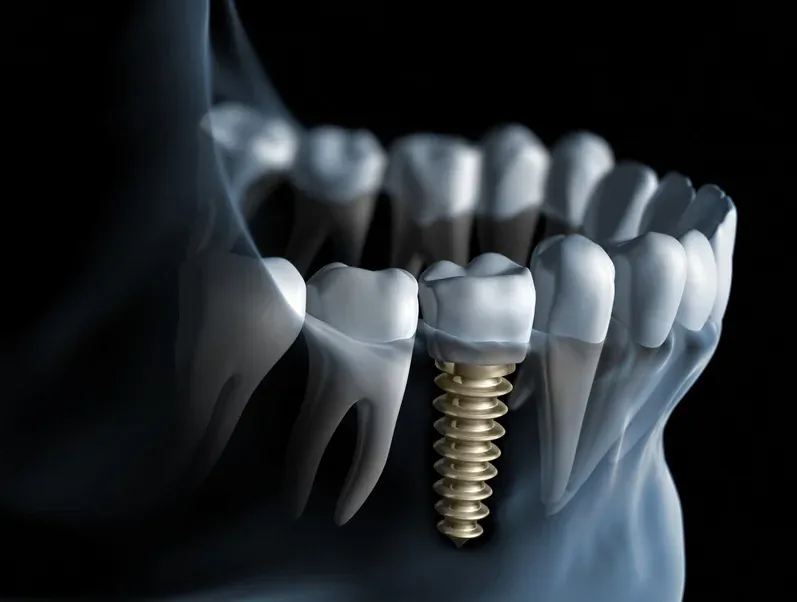
A dental implant is a small, biocompatible post placed in the jawbone to support a replacement tooth. For many people with missing teeth, implants offer a stable, fixed alternative to removable dentures — but suitability depends on a careful assessment of your bone, gums and general health.
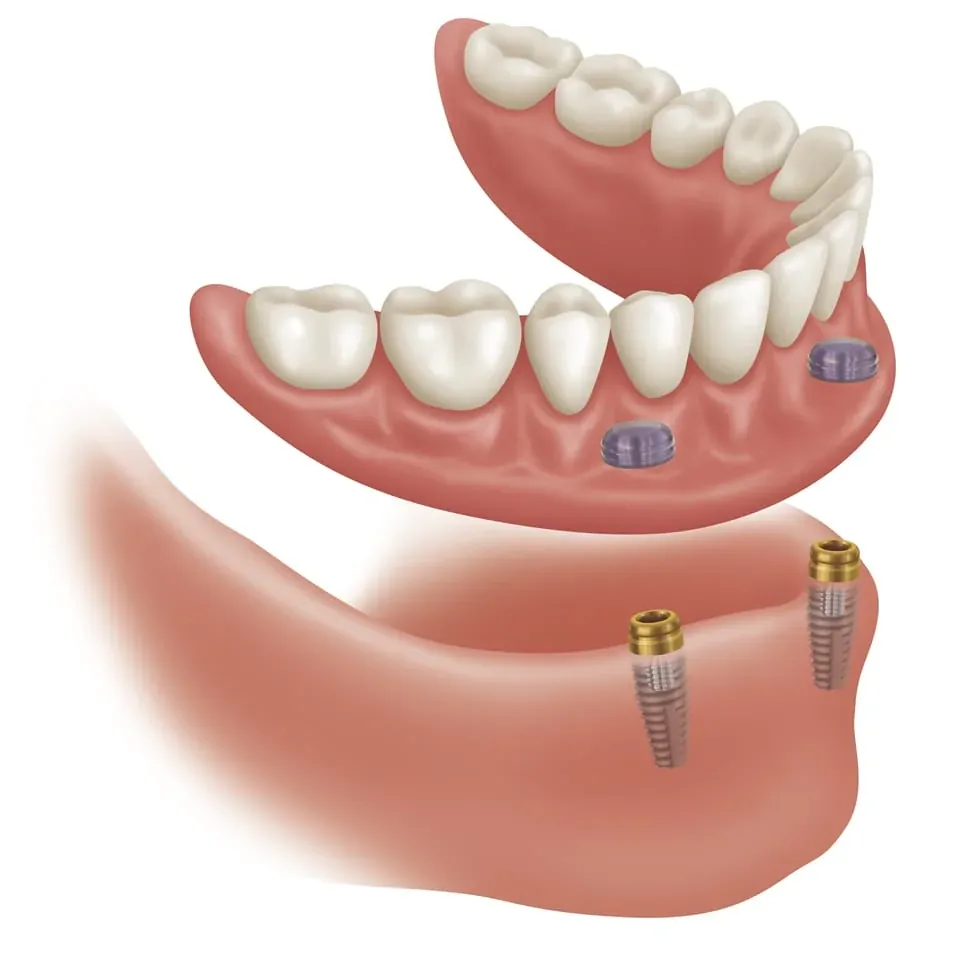
This treatment uses a small number of dental implants to anchor a removable denture. The denture clips onto attachments on the implants, which can make it feel more stable than a denture that relies on suction and gum support alone.
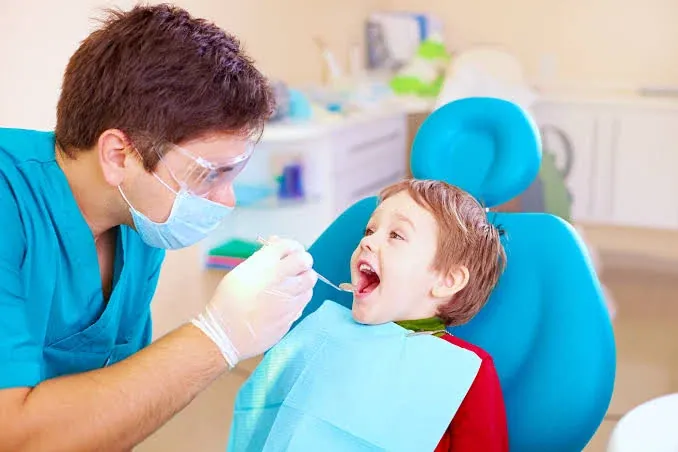
Children's teeth need care from the moment they appear. Pediatric dental visits focus on prevention, early detection and helping children feel comfortable at the dentist, while giving parents practical guidance for home care.
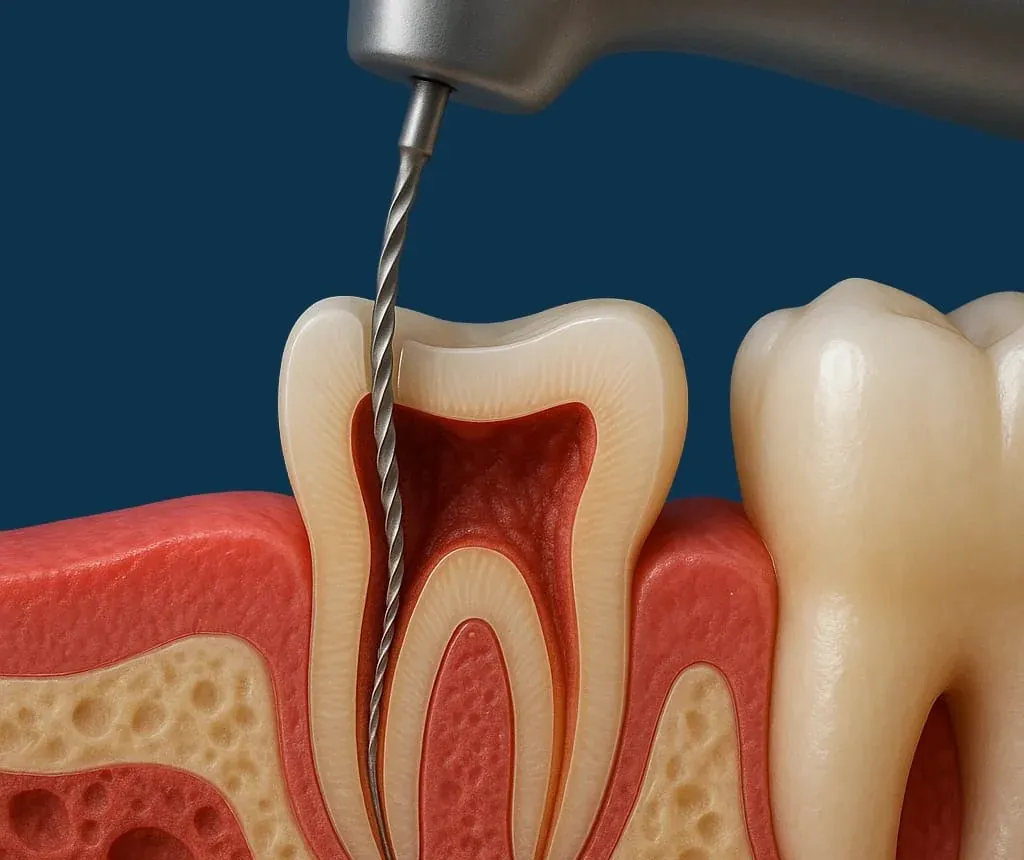
Root canal treatment removes infected or inflamed pulp from inside a tooth, cleans and shapes the canals, and seals them. The goal is to relieve symptoms and keep your natural tooth rather than removing it.
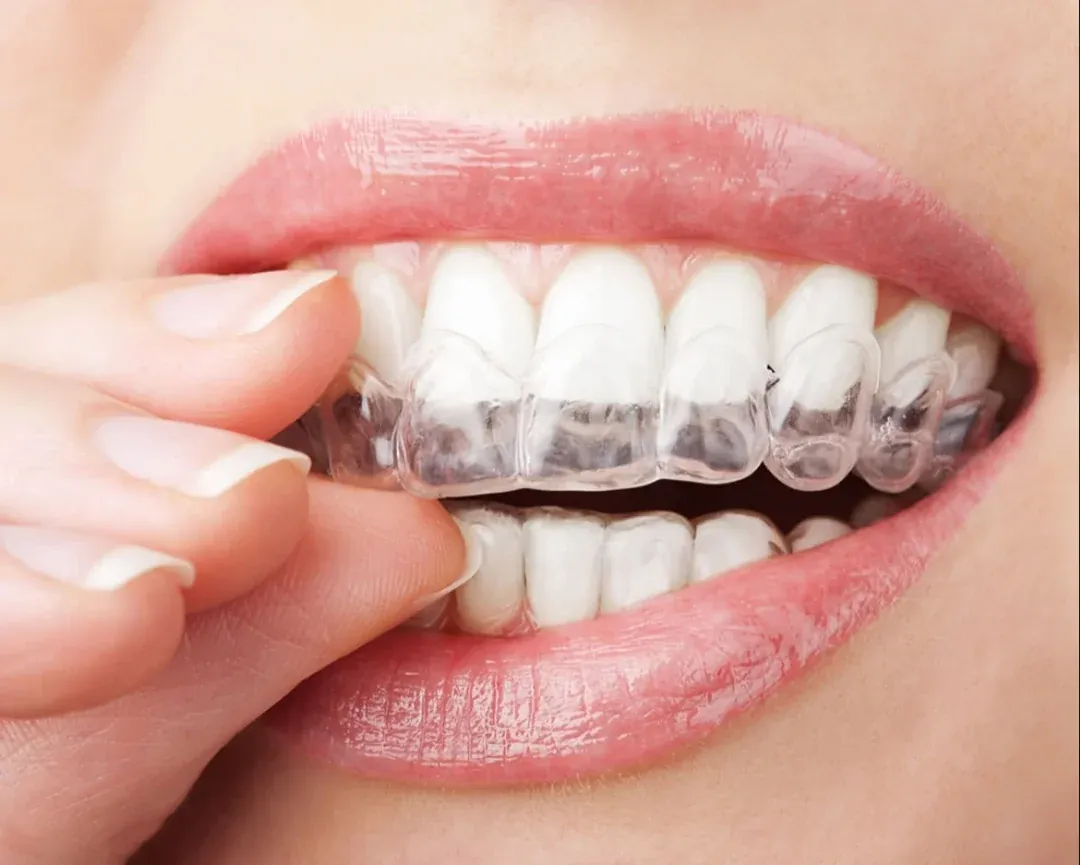
Clear aligners are a series of custom, transparent trays that apply gentle pressure to move teeth step by step. They are removable and discreet, but they depend on consistent daily wear to work as planned.
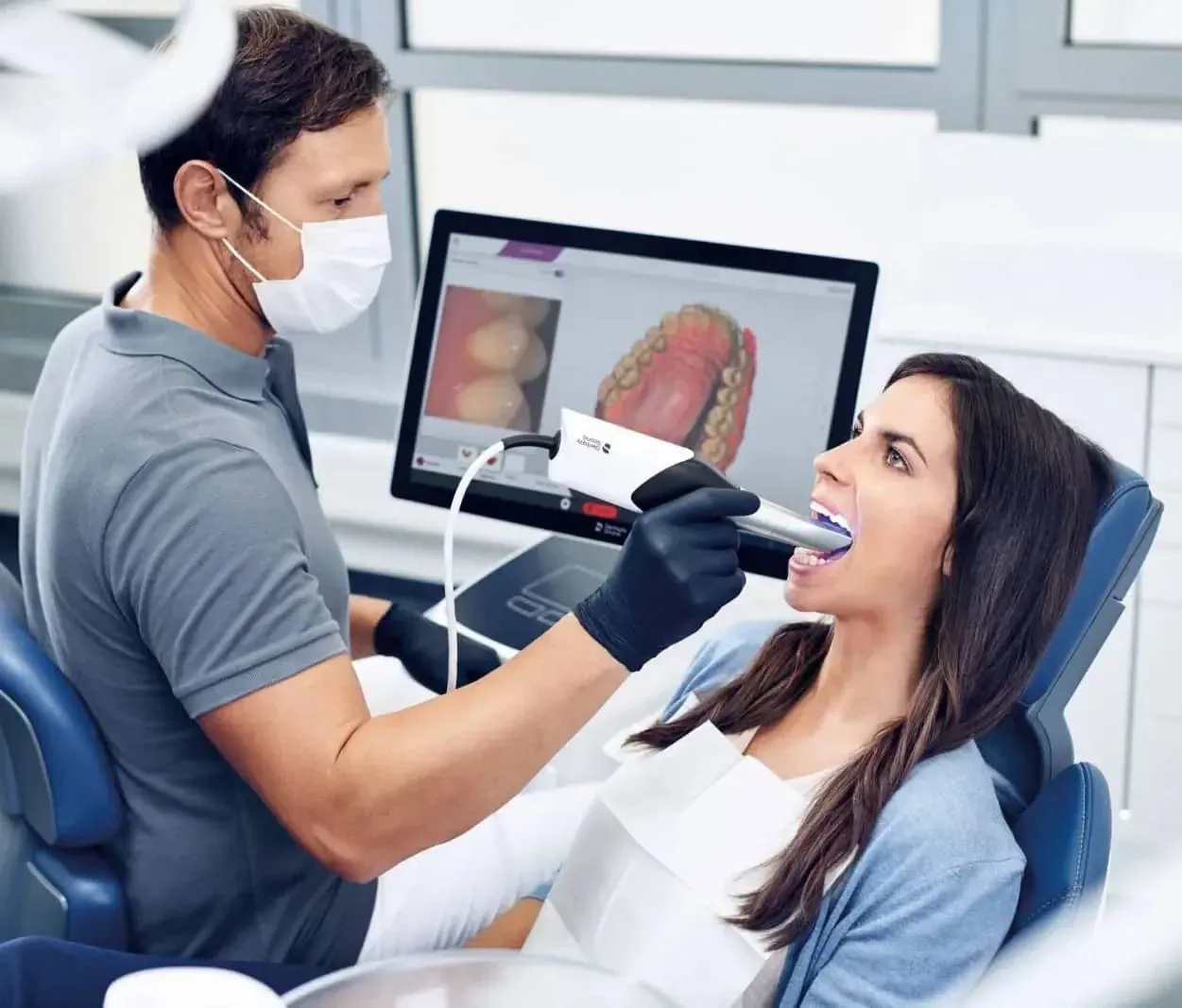
Digital intraoral scanning captures a 3D model of your teeth and gums using a small handheld wand, while dental X-rays show structures that cannot be seen during a visual examination. Together, they help your dentist assess your mouth and plan treatment.
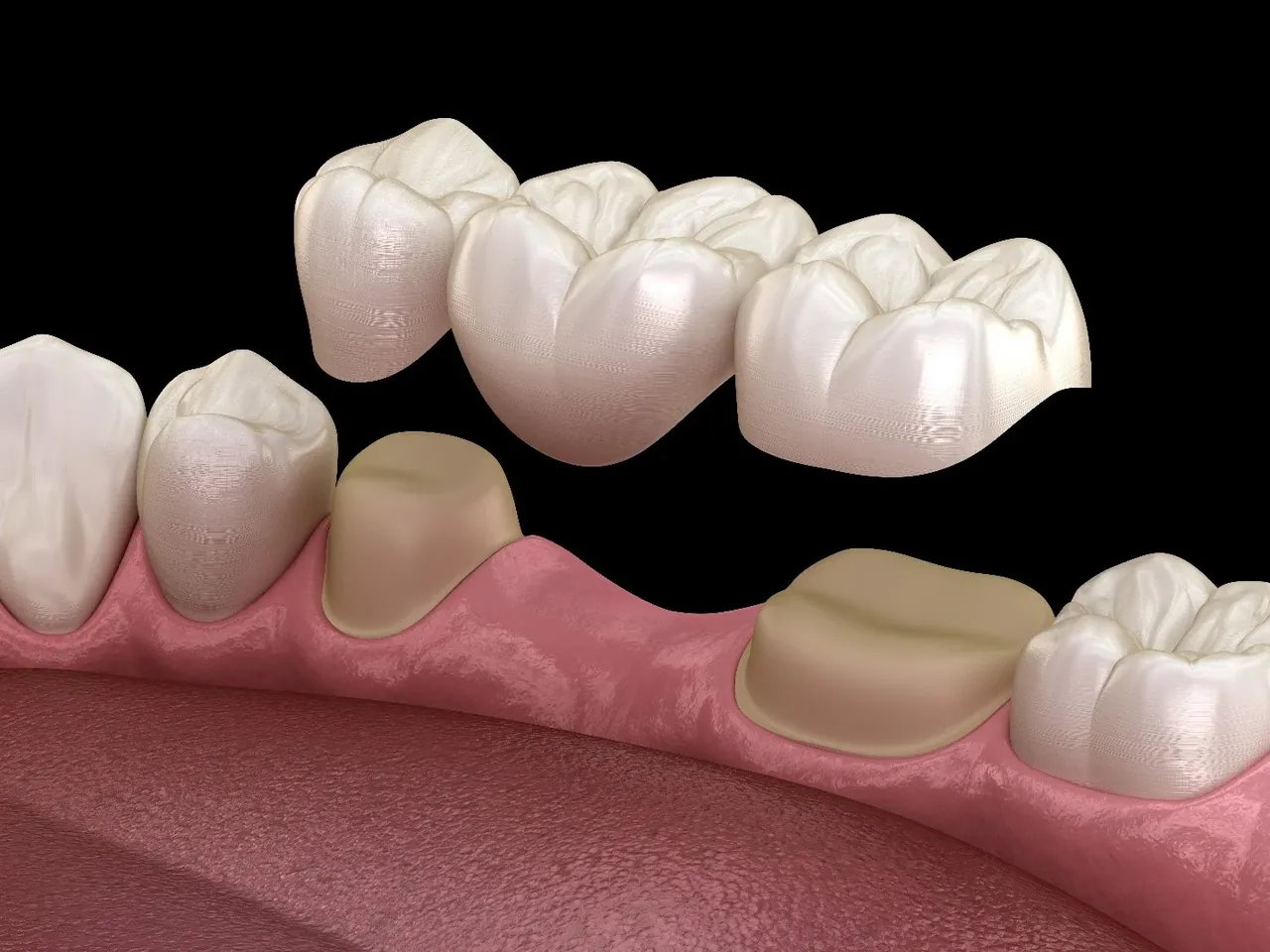
A crown is a custom cap that covers a damaged or weakened tooth. A bridge replaces one or more missing teeth by attaching false teeth to crowns on neighbouring teeth or implants. Both are designed to restore function and appearance.
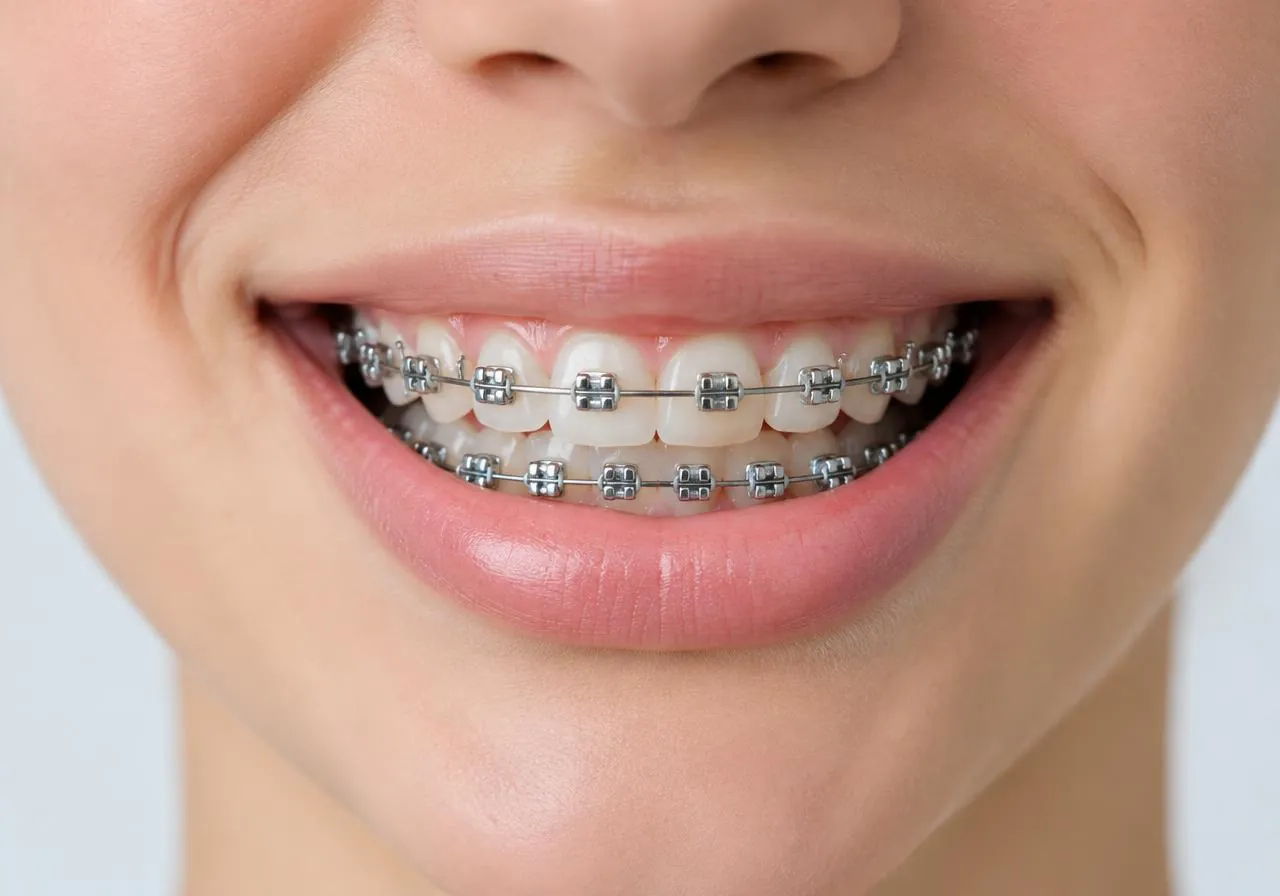
Braces use brackets bonded to the teeth and a connecting wire to apply steady, controlled pressure. Over time, this guides teeth into better positions and can improve how the upper and lower teeth meet.
This information is general and educational. It does not replace an examination or individual advice from a qualified dental professional. Treatment suitability, risks, recovery and results vary from person to person.
FAQs
Choosing a treatment
General information only — your dentist will advise on your individual situation.